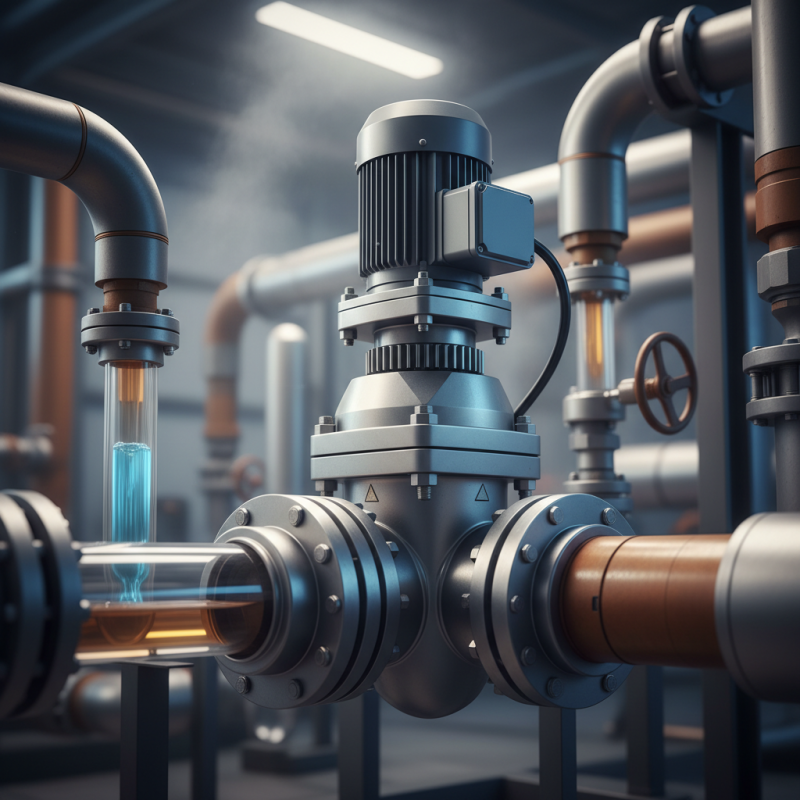
How to Choose the Right Motorized Valve for Your System?
Choosing the right Motorized Valve for your system can be daunting. According to industry expert John Smith, "Selecting the proper motorized valve is critical to system efficiency." His words remind us of the importance of informed decisions.
Motorized valves come in various types and sizes. Each has its specific function and application. It's essential to consider factors like pressure, temperature, and fluid type. A mismatch can lead to inefficiencies or even failures in a system.
As we weigh our options, think about the long-term implications. A poorly chosen valve might seem acceptable at first but can create future problems. Reflecting on this process can reveal gaps in our understanding. Every choice carries weight; we must choose wisely.
Understanding the Different Types of Motorized Valves Available
When selecting a motorized valve, understanding the different types is crucial. There are three main categories: globe, ball, and butterfly valves. Globe valves are ideal for throttling flow. Ball valves offer quick shut-off capabilities. Butterfly valves are space-saving and lightweight.
Consider the application of each valve type. For high-pressure systems, globe valves might be the best fit. Ball valves are more efficient in fluid control. Butterfly valves are often used in large-scale operations. Evaluate your system's requirements against these options.
**Tips:**
Focus on the size of your piping system. An improperly sized valve can lead to performance issues. If unsure, consult with a professional. Taking time to research can prevent costly mistakes.
Remember, materials matter too. Different valve materials perform better in various environments. Assessing factors like temperature and pressure is vital. Ensure you choose a valve that can withstand your system's conditions.
How to Choose the Right Motorized Valve for Your System?
| Valve Type | Application | Control Type | Typical Size Range | Features |
| Ball Valve | On/Off control for liquids and gases | Electric / Pneumatic | 1/2" to 6" | Fast switching, low pressure drop |
| Butterfly Valve | Flow regulation in large pipes | Electric / Pneumatic | 2" to 48" | Compact design, lightweight |
| Globe Valve | Flow throttling | Electric | 1" to 24" | Good flow control, larger pressure drop |
| Check Valve | Prevent backflow | N/A | 1" to 12" | Automatic operation, no external control needed |
| Solenoid Valve | Automatic control for liquids and gases | Electric | 1/8" to 3" | Fast response, compact design |
Evaluating System Requirements and Compatibility
Choosing the right motorized valve is crucial for system performance. Evaluating system requirements begins with understanding the fluid type and operating environment. For instance, a report from Valve Magazine indicates that 70% of valve failures stem from compatibility issues.
Pressure ratings and temperature limits must align with the valve specifications. Most systems function within specific ranges, and exceeding these can lead to premature failure. Consideration of the valve body material is essential too. Corrosion-resistant materials are often preferable in hostile environments.
Another issue involves actuator selection. Electric and pneumatic actuators serve different needs. Misjudging the actuator type can create operational inefficiencies. It's vital to analyze system responsiveness and energy consumption. This balancing act can often be tricky, and without careful evaluation, the system may operate below optimal levels. Addressing these factors ensures a more reliable and efficient system.
Factors Influencing Valve Sizing and Selection
When selecting a motorized valve, several factors must be considered for optimal performance. The valve size greatly influences flow rates. According to research by the American Society of Mechanical Engineers (ASME), improper sizing can lead to efficiency losses up to 30%. Make sure the valve matches your system's flow requirements accurately. Too small? You'll face pressure drops and inefficiency. Too large? You may experience poor control and overshooting.
Another critical factor is the type of actuation. Electric actuators offer precision but may lag in responsiveness compared to pneumatic ones. A recent study from the International Journal of Fluid Mechanics emphasizes that incorrect actuation choices can lead to system failures. Consider the application needs. Indoor systems might benefit from quieter electric options, while outdoor systems may require more robust pneumatic solutions.
Tips: Always check the valve's compatibility with your piping material. Mixing materials can lead to corrosion and failure. Verify the temperature and pressure ratings of the valve. Many overlook this detail, which can be disastrous under heavy loads. Balancing these factors can be challenging, but careful consideration is crucial.
Assessing Control Mechanisms and Actuation Options
When selecting the right motorized valve, control mechanisms play a crucial role. Understanding the different actuation options is essential for optimal system performance. Data from industry reports indicate that approximately 70% of valve failures stem from inadequate actuation. This suggests that careful selection can significantly enhance system reliability.
Different actuation types serve diverse applications. Electric actuators offer precision and control, while pneumatic actuators are known for their quick response times. Hydraulic actuators provide strong force but may require complex setup. A recent survey noted that 65% of engineers prefer electric actuation for its ease of integration. However, this choice often overlooks factors such as space constraints or environmental conditions.
It's vital to consider the compatibility of the motorized valve with existing system components. For example, a valve designed for high pressure might not handle heat well. Regular maintenance is necessary, as ignoring wear and tear can lead to malfunction. More than 50% of engineers reported that misalignment issues arose due to improper installation. This can result in costly downtime. Balancing precision with environmental demands remains a challenge.
Maintenance and Longevity Considerations for Motorized Valves
When considering motorized valves, maintenance is crucial. Regular checks can extend their lifespan significantly. Inspect for leaks or corrosion every few months. A small problem can escalate quickly. Ensure wiring is secure and free of wear. Routinely clean the valve body to avoid buildup. This simple step can prevent malfunctions.
Longevity also depends on environmental conditions. Extreme temperatures can affect performance. Ensure the valve is rated for its specific operating environment. Vibration from nearby equipment can lead to wear. This may require additional support or cushioning. Keep an eye on actuator performance regularly. Neglected actuators may work harder and fail sooner. Early detection of issues can save time and money.
Moreover, using the correct size and type of valve is vital. An undersized valve won't operate efficiently. Over time, this could lead to unexpected failures. Poor choices in motorized valves can lead to costly repairs. It's worth taking the time to research and assess your needs. Better decisions lead to better outcomes.
 English
 Español